Written by: Nico Jay Dauz, CHRA
Clinically Reviewed by: Daniel Gunn, PG Dip, CCTP II
Have you ever looked in the mirror and thought, “Why don’t I feel like myself?”
Trauma can quietly leave its mark long after the scary event is over. In fact, about 70% of U.S. adults have experienced a traumatic event, and even young kids aren’t immune: one report found 78% of children had more than one trauma by age five. That means many of us carry hidden wounds. These wounds can reshape our thoughts and habits. These hidden wounds can reshape thoughts, habits, and even personality.
Trauma’s influence goes beyond the moment it happened. Neuroscience and psychology show that past trauma can influence personality traits later on. A study found that people who have lived through traumatic experiences often show changes in traits like agreeableness, anxiety, and others.
We’ll dive into how trauma quietly shapes your thoughts, feelings, and personality, which habits and traits can change, and how your brain can heal. Knowing this helps you spot survival patterns and start making gentle changes.
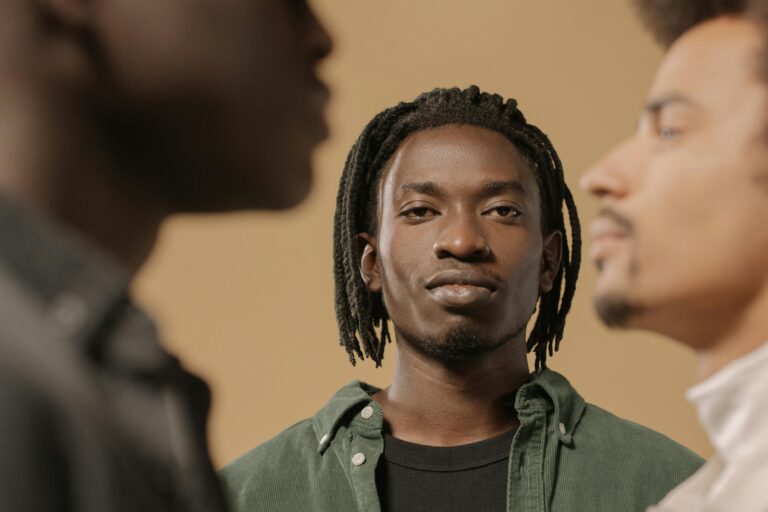
Personality is the characteristic way a person thinks, feels, and behaves.It is most evident in the way we connect with others and encompasses attitudes, views, and moods. It encompasses both our innate qualities and those we acquire throughout time. It influences our interactions with social groupings and our surroundings.
Personality comes from a mix of your genes, early life, and environment. Trauma doesn’t make a whole new personality, but it can change the traits you already have or create new habits to cope. For example, someone usually careful might become extra alert, or a trusting person might become more cautious. Trauma can affect how you think, feel, and act every day, including your relationships and how you see yourself. Noticing these changes helps you see that they are ways your brain tries to keep you safe, not flaws.
Trauma is defined as a very upsetting or unpleasant event that exceeds your capacity for coping. It can be a single event, like an accident or loss, or ongoing experiences, like abuse or neglect. Over time, trauma can shape the way you think, feel, and respond to the world, sometimes long after the event is over.
Understanding trauma is key because it often leaves subtle, lasting effects on your mind and body. These effects can influence your daily habits, emotions, and even aspects of your personality. Let’s explore how trauma quietly leaves its mark in what we call Trauma’s Silent Footprint.
Trauma often works quietly. Even after danger is gone, your brain can stay on high alert. You might automatically brace for problems that aren’t really there.
Childhood is a key time for personality to form. Early trauma can literally rewire the brain. Adults who experienced childhood maltreatment often have lower oxytocin, the “trust” hormone, and higher anxiety. Brain scans show trauma can shrink the hippocampus (memory center) and over-activate the amygdala (fear center). A child growing up in danger has to mature quickly to survive, which can shape personality.
Early bonds with caregivers form attachment styles that influence later personality:
Research shows insecure attachment can make it hard to understand your own and others’ emotions, which affects relationships. Recognizing your attachment style (even if it’s insecure) is the first step to learning healthier patterns.
Trauma doesn’t change who you are at your core, but it can nudge certain traits up or down. Common changes include:
Trauma does not make new traits. It changes the ones you already have. Maybe you were a little anxious, and trauma made it stronger. Perhaps you were happy and trusting, and trauma made you more careful. Everyone experiences it differently. The key is noticing which traits have changed, like fear, being on edge, perfectionism, or emotional distance. Seeing these as ways your brain kept you safe, not as flaws, is the first step to healing.
When trauma happens, we all develop ways to cope. Over time, these coping methods can turn into lasting personality habits.
Research shows these coping patterns often become fixed behavioral habits. Trauma strategies that once helped you survive can shape how you handle life long after the event.
Another source notes that trauma survivors often resort to high-risk or compulsive behaviors as attempts at control. The good news is that understanding these habits as survival strategies makes them easier to change. With effort and support, these habits can be reshaped, paving the way for healing.
Your brain is not stuck. Thanks to neuroplasticity, it can rewire itself even after trauma. Trauma changes brain areas like the amygdala and hippocampus, but research shows the brain can heal and grow. Therapy can reshape neural pathways. For example, CBT can reduce fear responses in the amygdala and strengthen the prefrontal cortex, helping your brain relearn safety. Other approaches, like EMDR and somatic therapies, help process trauma and release it from the body.
Here are some practical ways to support healing and evolve your personality:
Healing doesn’t erase the past. It gradually untangles survival habits and builds new ones. Over time, traits that once kept you stuck can soften. Many survivors find a stronger sense of self and experience post-traumatic growth, developing more profound empathy, clearer values, or a renewed purpose.
Understanding how trauma shapes you can be powerful. It stops self-blame and helps you guide your recovery. With care and the proper support, you can grow stronger and more whole, shaped by but not defined by your past.
Notice changes in your thoughts, emotions, or habits after trauma? These are normal responses. At Help Mind Body, trauma-informed therapists help you understand these shifts, reclaim control, and rebuild your sense of self. With personalized guidance, practical tools, and ongoing support, you can gently overcome old patterns and grow into a stronger, more confident version of yourself. Start your healing journey today. Get support now.

He is a graduate of the Bachelor of Science in Psychology at Cavite State University – Silang Campus, Cavite, Philippines. He is also a Certified Human Resources Associate and a Career Service Professional Eligible in the Philippines.

Clinically reviewed by:
Written by:

Clinically reviewed by:
Written by:

Clinically reviewed by:
Written by:

Clinically reviewed by:
Written by:

Clinically reviewed by:
Written by:
Clinically reviewed by:
Written by:
Clinically reviewed by:
Written by:
Clinically reviewed by:
Written by:

Clinically reviewed by:
Written by:
Clinically reviewed by:
Written by:
Clinically reviewed by:
Written by:
Clinically reviewed by:
Written by:
Clinically reviewed by:
Written by:
Clinically reviewed by:
Written by:
Clinically reviewed by:
Written by: