
Written by: Nico Jay Dauz, CHRA
Clinically Reviewed by: Daniel Gunn, PG Dip, CCTP II
Ever had someone say something “small” that stayed with you for years? Maybe a teacher called you lazy, a friend left you out, or you were often compared to someone else. You brushed it off, but deep down, it hurt. These experiences may seem minor, but micro traumas or small t trauma can leave a lasting emotional impact.
Over time, micro traumas can build into cumulative stress and trauma, affecting self esteem, relationships, and mental health. Even small moments of criticism, rejection, or feeling dismissed can shape how you respond to stress.
So, can micro traumas add up over time? And how can healing begin when small t trauma starts affecting your emotional wellbeing?
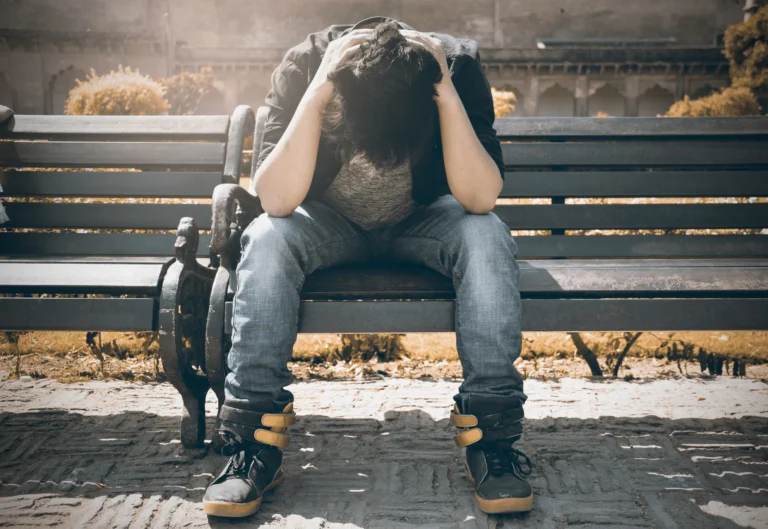
Trauma is any experience that overwhelms your ability to cope. It affects your thoughts, emotions, and behaviour. Often, the effects are not apparent at first. Trauma is not only caused by significant life events. It can also come from repeated smaller experiences that accumulate over time and quietly shape how you see yourself and interact with the world.
Psychologists divide trauma into two types: Big T and Small t.
Big T traumas are sudden, severe events like accidents, abuse, or the sudden loss of a loved one. They usually leave an immediate, visible impact and often require professional help to process.
Small ‘t’ traumas, also called micro-traumas, are subtle and repeated emotional hurts. Each event might seem minor, but over weeks, months, or years, they can influence your stress response, self-esteem, and relationships. Examples include being repeatedly ignored, criticised, compared, or dismissed. Microaggressions, or subtle humiliations at work or school, also count.
Understanding the difference between big-T and small-T trauma matters because it helps you recognise the signs of emotional strain early. Big-T traumas are easier to spot, but small-T traumas can build up over time. You might not be aware of the effects these minor traumas have on your mental health. The first stage to recovery and resilience building is recognising them.
Trauma also rewires the brain and body. Even small, repeated stressors can increase anxiety, make you more sensitive to criticism, and affect your ability to trust others. Over time, these changes can lead to patterns like overthinking, withdrawing from relationships, or constantly being on edge.
By understanding both types of trauma, you can start to identify which experiences are affecting you, validate your feelings, and take steps to cope before the impact grows.
Micro-traumas, also called Small t traumas, are subtle, repeated emotional hurts that might seem minor on their own but build up over time. Unlike Big T traumas, which are sudden and severe, small t traumas happen gradually and often go unnoticed. Over months or years, these small but repeated experiences can influence stress responses, self-esteem, relationships, and overall mental health.
Examples include:
Although each event may feel minor, the cumulative effect can significantly shape how a person perceives themselves and reacts to stress.
Major life events that substantially, frequently, and instantaneously influence a person’s mental and physical health are known as “Big T traumas.”
Common examples include:
These events are intense, often shocking, and may require professional intervention to process.
Even though small traumas might seem minor individually, their effects can add up over time. Our brains do not always distinguish between a significant threat and a minor repeated stressor. That critical comment from a manager or repeated exclusion by friends can trigger the same stress response as a more obvious trauma. Your heart races, muscles tense, and your mind becomes hypervigilant.
The brain starts to anticipate these minor injuries when they occur frequently. This ongoing expectation may impact self-perception and sense of security in social situations. This process is sometimes referred to as emotional erosion or cumulative stress. Imagine it as water gradually eroding a rock. A single drop has no effect, but over time, the rock becomes eroded and sculpted.
Research shows that repeated small traumas can contribute to:
The key point is that small ‘t’ traumas are not harmless just because they are subtle. Repeated exposure can quietly shape emotional habits, relationships, and mental health, sometimes as profoundly as Big T traumas.
Even if you think you have brushed off small ‘t’ traumas, they often appear subtly, affecting daily behaviour and emotions. Over time, these repeated hurts can influence how you think, feel, and interact with others.
Common signs:
This behaviour is not a sign of weakness. They are the body and mind responding to repeated stress. When small ‘t’ traumas accumulate, they can quietly shape emotional patterns, self-esteem, and how a person handles challenges.
Small ‘t’ traumas may seem minor on their own, but repeated exposure can have a profound effect on mental health over time.
When these everyday emotional hurts accumulate, they can contribute to:
Cumulative stress and Adverse Childhood Experiences (ACEs) can cause even subtle, repeated stressors to change how the brain processes emotions and controls stress. As explained by Robin Gurwitch, “Think of cumulative stress as building blocks that continue to stack upon one another. The higher the stack, the greater the risk of tipping.” The risk of tipping increases with the height of the stack. The nervous system may become more sensitive and responsive to novel situations as a result of these encounters throughout time. A person who has this increased sensitivity may be more prone to emotional outbursts, overreact to new stressors, or feel inherently “on edge”.
The effects of small ‘t’ traumas are not always visible. Unlike Big T traumas, which often have obvious symptoms, microtraumas can quietly influence your daily mood, behaviour, and decision-making. For example, someone might constantly second-guess themselves, avoid social situations, or feel emotionally drained without understanding why.
Over time, repeated small hurts can also affect physical health. Long-term stress can cause headaches, stomach challenges, high blood pressure, and a weaker immune system. There is proof that small traumas affect the mind and body.
The first step to breaking the loop is to understand the unconscious effects of microtraumas. Awareness allows individuals to identify patterns, develop healthier coping strategies, and seek support before these small hurts become larger, more persistent challenges.
You do not have to let small ‘t’ traumas control your life. You can take practical steps to reduce their impact and feel stronger every day.
Write down moments that hurt, even if they seem small. Note what happened, how you felt, and how your body responded. Over time, you will see patterns and triggers more clearly. This practice helps you validate your experiences and track progress in managing your emotions.
Try deep breathing, meditation, yoga, or other calming exercises. Five minutes daily can help regulate your nervous system and give you space to respond rather than react to stress. The goal is to habitually notice your emotions without letting them overwhelm you.
Your mind and body are connected. Exercise, a balanced diet, and consistent sleep improve mental resilience by reducing stress and boosting mood. Self-care is important. A study found that college students who improved sleep, diet, or exercise for just two weeks saw measurable gains in mental well-being, with sleep having the most significant impact. Small, consistent changes like daily walks, healthier meals, or a steady sleep schedule can make a real difference.
You are entitled to protect your emotional space. If someone regularly criticises, dismisses, or undercuts you, you should clearly communicate your needs or limit your exposure. Boundaries are a sign of self-respect and are essential for long-term mental health.
When a small ‘t’ trauma triggers self-doubt, practise shifting your perspective. Instead of thinking, “I failed because of that comment,” try, “That comment reflects the other person, not my value.” Over time, this technique strengthens self-esteem and reduces the emotional weight of repeated small hurts.
Share with friends, family, or support groups who understand and validate your feelings. Sharing experiences and feeling heard reduces isolation and provides practical advice for coping with stressors.
Create daily habits that protect your mental health. Simple routines like a morning walk, regular breaks at work, or a bedtime ritual can reduce stress accumulation and improve emotional regulation.
Hobbies, such as art, music, or journaling, provide outlets for expression and help you safely process emotions. Creative activities can also boost self-esteem and give a sense of accomplishment.
Therapists trained for trauma can help you recognise patterns, understand triggers, and develop strategies for long-term resilience. Professional support is particularly valuable if micro-traumas affect your daily functioning, relationships, or overall well-being.
Micro-traumas are real, but they don’t have to define you. Recognising their impact and taking proactive steps enables you to manage stress, protect relationships, and strengthen your mental health.
Micro-traumas may seem small, but when they pile up, they can seriously affect your mental, emotional, and even physical health. Sometimes, these effects become too big to handle alone. Knowing when to get professional support can prevent long-term challenges and help you build stronger coping skills.
Signs You Might Need Help
Micro-traumas may feel small, but their effects can build up over time. Getting support early is not a sign of weakness. It can help you understand what is happening, manage your emotions, and prevent long-term challenges.
Helpmindbody provides professional support for dealing with micro-traumas and daily stress.
You can book an appointment with experienced therapists who can help you understand your patterns, recognise triggers, and find practical coping methods.
You can also learn helpful strategies through Helpmindbody articles covering stress management, boosting self-esteem, setting boundaries, and improving relationships.
The support is safe and confidential, making it easier to talk about your experiences and start healing.
Getting help early can prevent small emotional hurts from growing into bigger mental health challenges, giving you the skills to build long-term resilience.

He is a graduate of the Bachelor of Science in Psychology at Cavite State University – Silang Campus, Cavite, Philippines. He is also a Certified Human Resources Associate and a Career Service Professional Eligible in the Philippines.
Clinically reviewed by:
Written by:

Clinically reviewed by:
Written by:
Clinically reviewed by:
Written by:
Clinically reviewed by:
Written by:

Clinically reviewed by:
Written by:

Clinically reviewed by:
Written by:
Clinically reviewed by:
Written by:
Clinically reviewed by:
Written by:
Clinically reviewed by:
Written by:
Clinically reviewed by:
Written by:
Clinically reviewed by:
Written by:
Clinically reviewed by:
Written by:
Clinically reviewed by:
Written by:
Clinically reviewed by:
Written by: