Why Trauma Makes Lying a Survival Tool

Discover how lying can develop as a coping mechanism linked to trauma, stress, and emotional survival. Learn why people lie, how it affects behavior, and what healing looks like.
Childhood Trauma and the Seeds of Imposter Syndrome

Childhood trauma can shape self worth and fuel imposter syndrome in adulthood, leading to self doubt, perfectionism, and fear of failure. Learn how early experiences influence confidence and ways to begin healing and rebuilding self esteem.
Trust After Trauma: Rebuilding Safety in Yourself and Others

Trust after trauma is the process of rebuilding safety in yourself and others after emotional pain or betrayal. Learn how trauma affects trust and ways to heal.
The Neurobiology of Imposter Feelings: How Trauma Rewires Self-Perception

Imposter feelings can make you doubt your achievements even when you are capable. Learn why they happen, how they affect the mind, and ways to manage self doubt.
Trauma Healing Through Creativity

Explore how creativity supports trauma healing through creativity by helping regulate emotions, process painful memories, and restore a sense of safety and control.
Can Micro Traumas Affect Your Mental Health Over Time?
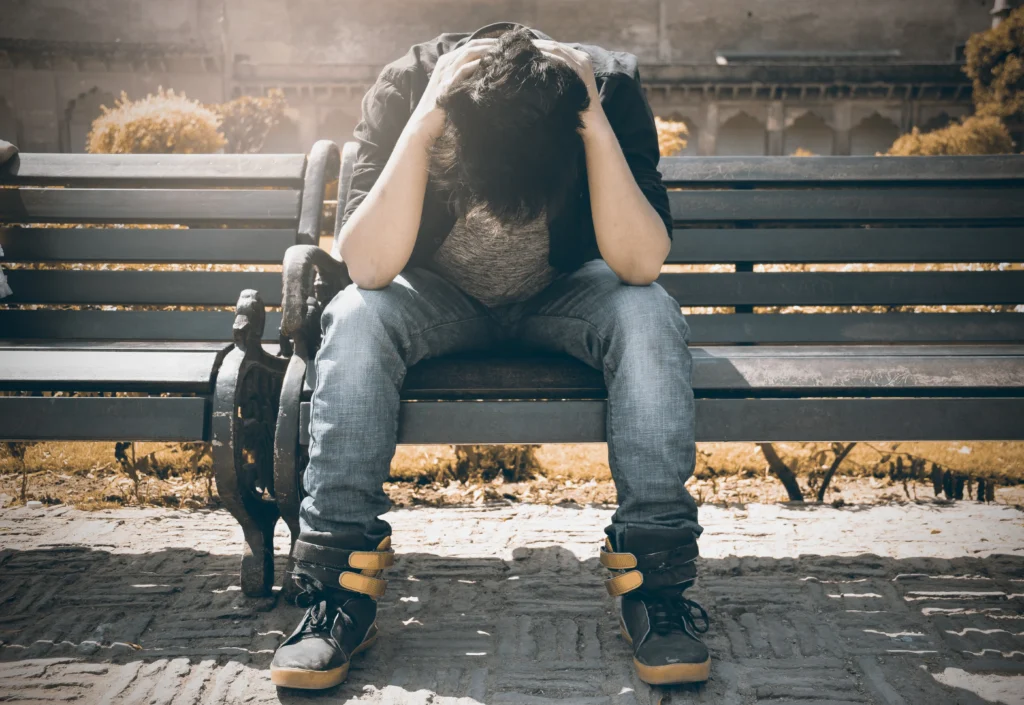
Micro traumas and small t trauma can quietly affect mental health over time. Learn the signs, emotional impact, and practical ways to heal and feel safer.
Why Does Rejection Hurt More Than We Think?

Learn why rejection hurts so deeply, how it affects the brain and mental health, and practical ways to cope, heal, and build emotional resilience.
The Weight of Comparison: Why Measuring Yourself Hurts

Constantly comparing yourself to others can quietly erode your confidence, increase anxiety, and leave you feeling like you are never enough. While comparison is a natural human tendency shaped by social, cultural, and psychological factors, it becomes harmful when it dominates your thoughts and distorts your sense of self worth. This article explores why we compare ourselves, how it affects emotional, mental, and physical wellbeing, and practical ways to break free from the cycle through awareness, self compassion, and healthier mindset shifts.
Perfectionism: Living by an Unattainable Standard

Perfectionism may look like ambition, but constantly chasing impossible standards can lead to anxiety, burnout, self criticism, and emotional exhaustion. Learn how perfectionism develops, how trauma and early experiences shape it, and practical strategies to build self compassion, embrace progress, and let go of the pressure to be flawless.
Why PTSD Isn’t Just a “Soldier’s Disorder”
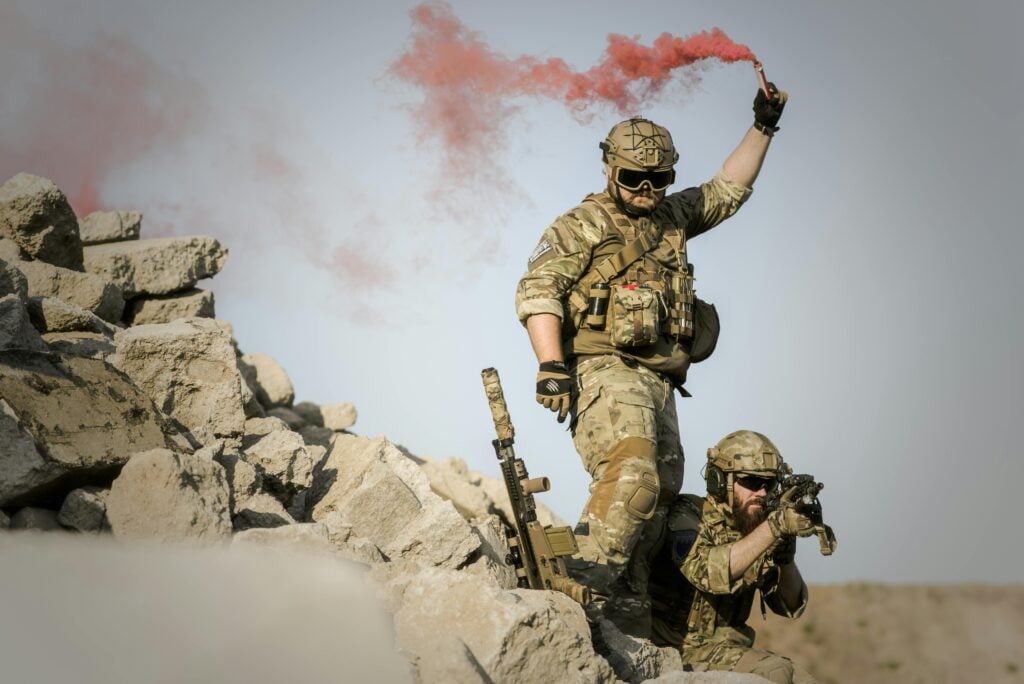
Most people hear the word PTSD and picture a soldier returning from war, haunted by memories of the battlefield. But what if I told you PTSD isn’t just a “soldier’s disorder”?