
Written by: Nico Jay Dauz, CHRA
Clinically Reviewed by: Daniel Gunn, PG Dip, CCTP II
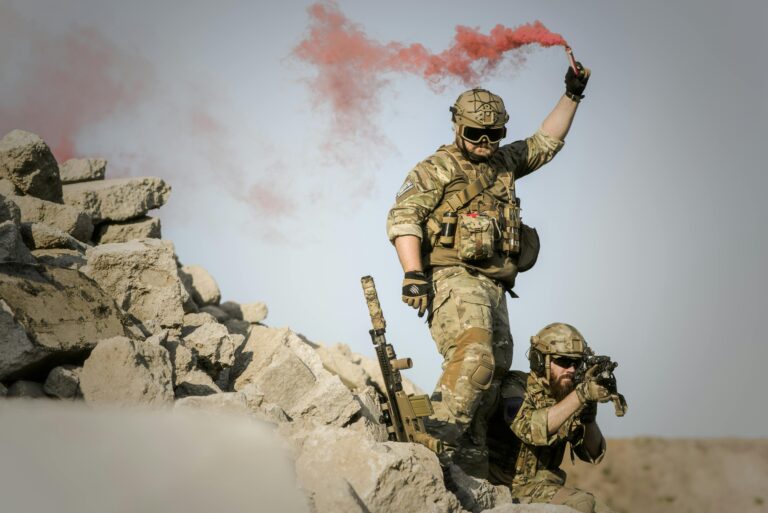
Most people hear the word PTSD and picture a soldier returning from war, haunted by memories of the battlefield. But what if I told you PTSD isn’t just a “soldier’s disorder”?
What if the person sitting next to you at work, your best friend, or even a child quietly living down the street is carrying the same invisible wounds without ever stepping foot on a battlefield?
When someone watches or goes through a traumatic or severely painful incident, they may develop post-traumatic stress disorder, or PTSD. Though it is far more complex than that, most people mistakenly believe it to be merely “bad memories.”
A common misconception about PTSD is that only combat veterans get it. Movies, TV shows, and even news stories often depict veterans as the “face” of PTSD, reinforcing the stereotype that it is exclusively a soldier’s disorder. While it’s true that many service members experience trauma in war zones, the condition is not limited to them.
Even while two people can have the same tragedy, only one of them may get PTSD, and this does not diminish their strength. It focusses more on how trauma changes the way the brain processes stress and memories.
Because PTSD has been portrayed so narrowly, countless people who don’t fit the soldier stereotype often fail to recognise their struggles as PTSD. This misunderstanding not only prevents people from getting help but also deepens the stigma around the disorder.
The connection between soldiers and PTSD is so strong that, for many people, the two ideas are almost inseparable. Most people’s first thought when they hear the term “trauma” is of a soldier coming home from battle. This association is not accidental. It has been built over decades of history, reinforced by medical terminology, public discussion, and popular media. Studies like Post-traumatic Stress Disorder in Veterans: A Concept Analysis show how medical literature itself has played a role in reinforcing the soldier-PTSD connection.
The understanding of PTSD has its roots in war, first recognized in World War I as “shell shock” when soldiers returned with trembling, nightmares, and panic attacks that were wrongly believed to result from physical brain damage.
By World War II, the label had shifted to “battle fatigue”, but the stigma remained, with many soldiers being dismissed as weak or forced back into combat without care. Media coverage and widespread advocacy made it impossible to ignore the psychological scars veterans carried home after the Vietnam War.
In 1980, PTSD was formally included in DSM-III as a result of this pressure on psychiatry to take trauma more seriously. While this marked progress by validating trauma as a legitimate mental health condition, the strong association with combat veterans shaped public perception, leaving civilians who also live with PTSD overlooked and often misunderstood.
While PTSD is most commonly associated with soldiers, it is important to acknowledge that civilians face trauma every day. Car accidents, medical emergencies, violent crimes, natural disasters, and long-term abuse can all leave psychological scars just as deep as those caused by war.
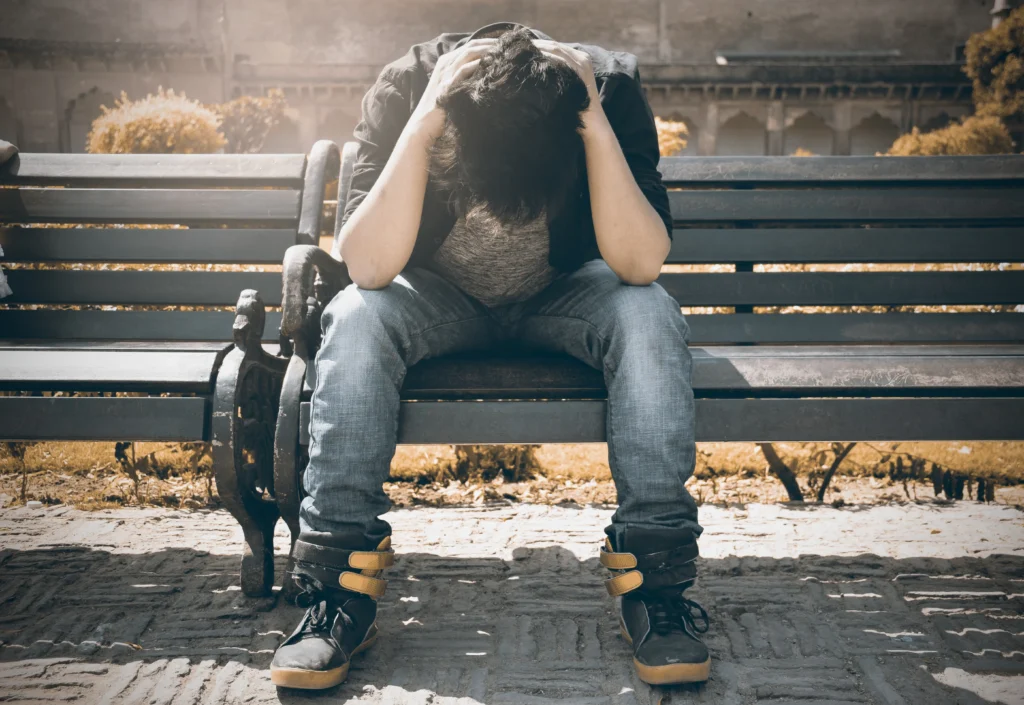
For civilians, these experiences often come without the structured support systems available to veterans, making recovery even more isolating. Many people live with PTSD symptoms without realising what they are experiencing; they believe their anxiety, insomnia, or hypervigilance are personal flaws rather than signs of trauma.
Recognizing that trauma is not confined to the battlefield is the first step toward making sure that all survivors receive the care and compassion they need.
Civilians can develop PTSD after a wide variety of life experiences.
Survivors of car crashes may relive the accident every time they step into a vehicle. Even after leaving an abusive relationship, victims of domestic abuse may continue to live in constant fear. First responders such as firefighters, paramedics, social workers, and nurses may develop PTSD from repeated exposure to suffering and death.
Vicarious trauma is a term used to describe this phenomena, which is the emotional residue that accumulates when someone is frequently exposed to the suffering and tragedy of others. Even children who grow up in chaotic or violent households often carry symptoms into adulthood. These examples show that trauma is not limited to combat situations.
Regardless of their background, everyday people can develop PTSD when their sense of safety and control shatters.
One of the strongest predictors of PTSD in adulthood is childhood trauma. Children who grow up in abusive, neglectful, or unstable environments often carry those scars for life. Unlike a single traumatic incident, childhood trauma can be ongoing, shaping the way a child develops emotionally and mentally.
Being exposed to constant fear, violence, or emotional rejection during developmental years of growth alters the brain’s stress response system, making it harder to regulate emotions later in life. Children who endure neglect may develop feelings of worthlessness or chronic anxiety, which can manifest as PTSD symptoms well into adulthood.
The effects can resurface in unexpected ways, such as difficulty forming trusting relationships, struggles with self-esteem, and heightened vulnerability to stress. These experiences highlight that trauma does not need to be tied to war or violence; it can develop in the most intimate setting of all, the family home.
For many adults, PTSD develops in the context of domestic abuse and intimate partner violence. Survivors of these situations often endure repeated emotional and physical harm at the hands of someone they once trusted. This betrayal creates long-lasting psychological wounds.
Survivors may experience flashbacks of violent episodes, feel constant fear of their abuser, or struggle with self-blame. The cycle of abuse traps victims in an environment where they are always on edge, waiting for the next outburst. Even after leaving the abusive relationship, the trauma can linger, making it difficult to trust others or feel safe.
In some cases, survivors also suffer from complex PTSD, a form of the disorder that results from prolonged trauma over time. Intimate partner violence reveals how PTSD often comes not from a single catastrophic event but from years of ongoing exposure to fear and control.
Sudden, life-threatening events are another common cause of PTSD. Long-lasting trauma can result from auto accidents, aircraft crashes, and natural disasters like flooding, earthquakes, and fires. Survivors often replay the moment of impact in their minds, struggling to move past the overwhelming sense of vulnerability they felt. Medical emergencies can be equally traumatic.
Someone who survives a near-death experience in a hospital or undergoes an invasive, painful procedure may later develop medical trauma, with PTSD triggered by healthcare settings. Even witnessing such events can cause trauma. For example, a bystander at a serious accident or a child experiencing a natural disaster can carry the emotional weight long after the event ends.
These incidents remind us that PTSD is not limited to prolonged trauma; sometimes one single life-altering moment is enough to permanently change how someone experiences the world.
People in certain professions are more susceptible to PTSD due to their frequent exposure to traumatic events. First responders such as firefighters, police officers, paramedics, doctors, and nurses often witness death, injury, and extreme suffering as part of their daily work. Over time, this repeated exposure can lead to vicarious trauma and burnout, which may develop into full PTSD.
Even outside emergency professions, workplace trauma can occur. Employees who endure harassment, bullying, or unsafe working conditions can develop PTSD-like symptoms from prolonged stress. The workplace is often overlooked as a site of trauma, yet for many people it becomes the setting where their mental health begins to unravel.
PTSD leaves a clear imprint on the body. Survivors often live in a constant state of “fight or flight”, even when no danger is present.
Here are a few of the most typical PTSD symptoms and indicators.
Typical biological symptoms consist of:
The mind absorbs the trauma just as deeply as the body. PTSD creates emotional and cognitive patterns that disrupt daily life, including the following examples:
PTSD also affects how people interact with others and navigate the world. Social consequences may include:
While both share these biopsychosocial elements, their sources and social responses often differ:
Professional support often provides the strongest foundation for recovery. Therapies like Cognitive Behavioral Therapy (CBT), EMDR, and exposure therapy help survivors reprocess trauma and lessen flashbacks. In some cases, medication is also used to manage symptoms such as anxiety or insomnia.
For guidance and resources on finding the right mental health support, you can explore Helpmindbody, which offers expert-backed advice on PTSD treatments and coping strategies.
Healthy routines make a big difference in managing PTSD. Regular sleep, exercise, and balanced meals help regulate the body’s stress response. Practices like mindfulness, journaling, and meditation calm intrusive thoughts, while creative outlets such as art or music provide safe ways to process emotions.
Recovery is easier with strong social connections. Friends, family, and peer groups create safe spaces where survivors feel understood. Service animals, faith-based communities, and online support groups also provide comfort and reduce isolation.
Examples of social support include:
Not all coping methods are helpful, and some can even make symptoms worse. Survivors sometimes turn to alcohol, drugs, isolation, or overworking as ways to escape painful memories. While these may offer temporary relief, they often intensify PTSD in the long run. By contrast, healthy coping strategies help survivors face their trauma gradually, build resilience, and strengthen connections with others.
Healthy coping includes:
Unhealthy coping includes:
Learning to identify and replace unhealthy coping mechanisms with positive ones is a key step toward long-term recovery and resilience.
PTSD is often thought to only affect soldiers, but it can affect anyone who has faced trauma. From childhood abuse to natural disasters, from domestic violence to frontline emergency work, the sources of trauma are wide-reaching and deeply personal. While the symptoms can feel overwhelming, recovery is possible through a combination of therapy, self-care, and community support. The most important thing is to understand that PTSD is a normal reaction to stressors and not a sign of weakness. With awareness, compassion, and the right coping tools, survivors can find stability, rebuild their lives, and reclaim a sense of hope for the future.
Start small. Take a deep breath, talk to someone you trust, or give yourself time to rest.
Whether you are living with combat PTSD or civilian PTSD, support can make the difference. Reaching out to a therapist at Helpmindbody can give you the care and guidance you need to heal and feel more in control.
Wherever you are in the world, you can find helpful resources and guidance at Helpmindbody. Support is always close by.
Each small step matters. With the right tools and caring support, recovery is possible.
Take the first step today with Helpmindbody and begin building a calmer, healthier, and more balanced life.

He is a graduate of the Bachelor of Science in Psychology at Cavite State University – Silang Campus, Cavite, Philippines. He is also a Certified Human Resources Associate and a Career Service Professional Eligible in the Philippines.

Clinically reviewed by:
Written by:

Clinically reviewed by:
Written by:
Clinically reviewed by:
Written by:
Clinically reviewed by:
Written by:

Clinically reviewed by:
Written by:

Clinically reviewed by:
Written by:

Clinically reviewed by:
Written by:
Clinically reviewed by:
Written by:
Clinically reviewed by:
Written by:
Clinically reviewed by:
Written by:
Clinically reviewed by:
Written by:
Clinically reviewed by:
Written by:
Clinically reviewed by:
Written by:
Clinically reviewed by:
Written by: